 Reviews


 Proudly American


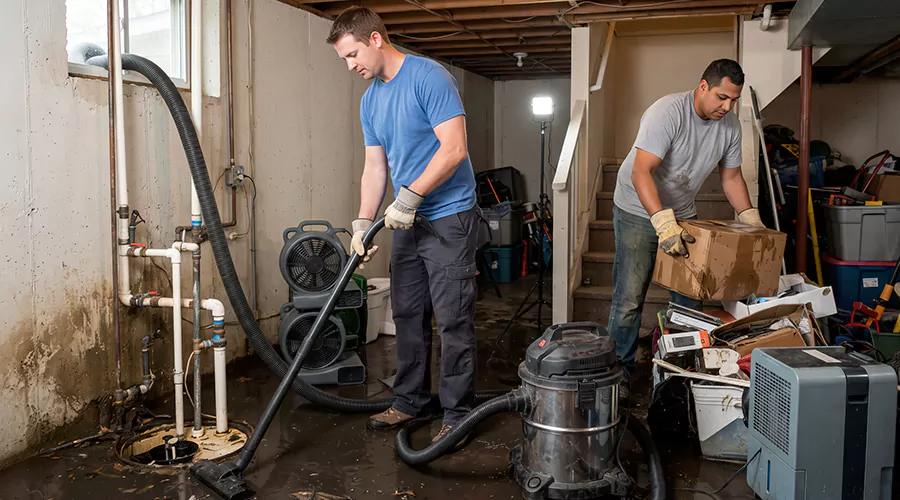
Sewage damage restoration removes contaminated wastewater and cleans the affected structure before drying and repair begin. A typical residential project can take several days before rebuilding starts. Many 2026 sewage cleanup projects fall around $2,000 to $10,000 before major reconstruction.
Sewage is treated differently from a clean plumbing leak because wastewater can contain harmful microorganisms and other contaminants. The work therefore focuses on contamination control as well as moisture removal.
What Happens During Sewage Damage Restoration?
Sewage damage restoration usually begins after the source of the backup is stopped and electrical conditions are safe. Standing wastewater is removed first. Contaminated porous materials are then taken out when they cannot be cleaned safely, while suitable hard surfaces are cleaned before drying begins.
A typical process follows these steps:
- Stop the sewage source when possible.
- Keep people away from the affected area.
- Remove standing wastewater.
- Remove contaminated porous materials.
- Clean suitable exposed surfaces.
- Apply an appropriate disinfectant.
- Dry remaining structural materials.
- Verify moisture before repairs begin.
Sewage cleanup and restoration should not move into rebuilding while framing or subflooring still contains excess moisture.
Which Materials Can Usually Be Saved?
Salvage decisions depend on how porous the material is and how deeply sewage penetrated it. Sealed hard surfaces are generally easier to clean. Absorbent products such as carpet padding or insulation often need removal after direct sewage exposure.
| Material | Typical Response |
|---|---|
| Tile | Clean and disinfect |
| Sealed concrete | Clean then dry |
| Sound wood framing | Clean and dry |
| Carpet padding | Usually remove |
| Contaminated insulation | Usually remove |
| Saturated drywall | Usually remove |
| Upholstered materials | Often difficult to save |
Sewage damage cleanup becomes more involved when wastewater reaches several layers of a floor or wall assembly.
How Is Sewage Different From Ordinary Water Damage?
Sewage water damage involves contamination that changes how materials are handled. Water from a recent sanitary supply-line break can sometimes be extracted while porous materials dry in place. Sewage requires a more cautious approach because contamination can remain after the visible liquid disappears. Cleaning must happen before disinfection because dirt or organic residue can reduce how well a disinfecting product works. Never mix bleach with ammonia or other household cleaners. Chemical mixtures can create dangerous gases.
How Long Does Sewage Restoration Take?
A small contained backup may need about one to three days for cleanup and initial drying. A larger loss can require three to seven days or more before reconstruction starts. Wet framing or a finished basement can extend the schedule.
| Project Scope | Typical Cleanup and Drying Time |
|---|---|
| Small hard-surface area | 1 to 3 days |
| One finished room | 2 to 4 days |
| Several rooms | 3 to 7 days |
| Finished basement | 4 to 7+ days |
| Major structural contamination | 1 week or longer |
These ranges do not include major plumbing repair or later rebuilding.
What Can Make the Damage More Serious?
The loss becomes more serious when wastewater remains long enough to soak porous materials or move beneath finished surfaces. Mold can also become a concern when wet materials remain damp.
Watch for these warning signs:
- Drywall feels soft near the floor.
- Carpet padding stays saturated.
- Flooring begins lifting.
- Cabinets swell along their lower edges.
- Sewage odor remains after extraction.
- Insulation becomes wet.
- Moisture readings stay high.
- Wastewater reaches electrical components.
- Mold appears after the backup.
- Several rooms share contaminated flooring.
Sewage water restoration may require selective demolition when contamination has moved behind finishes.
What Can You Safely Check Yourself?
A safe inspection should focus on documenting the affected boundary without walking through wastewater. Photograph the area from a clean location and note which surfaces were contacted.
After cleanup begins, a moisture meter can help compare exposed framing with a similar dry area. Mark the same test point and repeat the reading the next day. A steady decline shows drying progress, while unchanged moisture suggests more drying may be needed.
Do not enter standing sewage to reach a breaker panel or electrical device.
When Should You Call a Professional?
Professional help is appropriate when sewage covers more than a small hard-surface area or reaches porous building materials. Large backups require more controlled removal because contaminated debris can spread into clean parts of the home.
Professional assessment is especially appropriate when:
- Sewage reaches electrical systems.
- Several rooms are affected.
- Drywall or insulation is saturated.
- A finished basement is flooded.
- HVAC components are contaminated.
- A crawl space contains wastewater.
- The source cannot be stopped.
- Mold is already visible.
Professional sewage cleanup can also help determine the correct removal boundary before unnecessary demolition begins.
What Happens During Reconstruction?
Reconstruction begins only after contamination has been addressed and the remaining structure is dry. New finishes should not cover contaminated framing or damp cavities.
Possible repairs include:
- Drywall replacement
- New insulation
- Flooring installation
- Baseboard replacement
- Cabinet repairs
- Painting
A 2026 sewage cleanup project may cost roughly $2,000 to $10,000 before extensive reconstruction. Large finished areas can cost more when flooring or wall systems need replacement.
How Can Another Sewage Loss Be Prevented?
Prevention depends on fixing the cause rather than treating the cleanup as an isolated event. Recurring slow drains or repeated backups deserve attention before new finishes are installed.
Useful steps include:
- Investigate recurring drain problems promptly.
- Avoid flushing unsuitable materials.
- Maintain septic systems on schedule.
- Consider a backwater valve where appropriate.
- Keep basement belongings above floor level.
- Check crawl spaces after sewer problems.
Conclusion
Sewage damage restoration combines contaminated water removal with cleaning and structural drying before repairs begin. Porous materials that absorb sewage often require removal, while sound hard surfaces may be cleaned and retained. The process commonly takes several days and can extend longer when walls or floors are affected. If sewage reaches electrical systems or several finished rooms, professional assessment can help define a safe restoration scope.
Frequently Asked Questions
Is sewage restoration the same as water extraction?
No. Extraction removes liquid water. Sewage restoration also addresses contamination and drying before damaged materials are rebuilt.
Does all drywall need removal after sewage damage?
No. Drywall that remained dry may stay. Sections that absorbed sewage are usually removed.
Can wood framing be saved?
Often, yes. Sound framing can usually remain when it can be properly cleaned and dried.
Does sewage restoration include plumbing repair?
Not always. The cleanup addresses property contamination while a plumber may separately repair the backup source.
Can reconstruction start right after sewage removal?
No. Remaining materials should be cleaned and dry enough before new finishes close the area.
How do you know restoration is complete?
The contaminated material should be addressed and remaining structural materials should reach stable moisture conditions before rebuilding.